
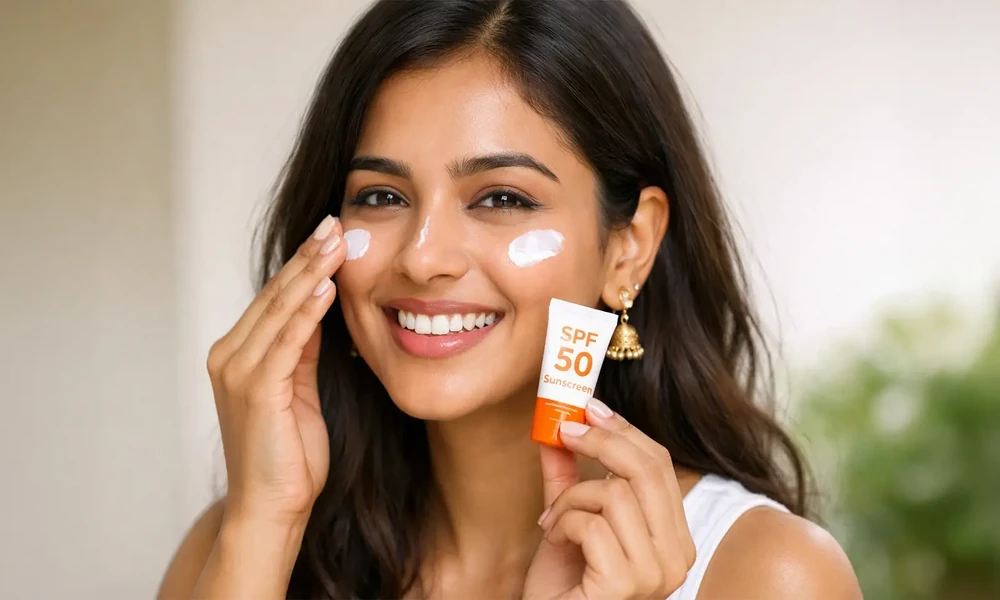
You have acne. So you buy the highest SPF you can find. SPF 70. SPF 100. You think more means better protection. But that’s not actually true. For acne skin it doesn’t work that way. The formula matters way more than the number. Nobody realizes this until their acne gets worse after putting sunscreen on.
It’s frustrating. Sunscreen should help. But regular sunscreen on acne doesn’t help. It makes it worse. Because acne skin isn’t normal skin. It’s already messed up. It’s inflamed. There’s bacteria. There’s breakouts happening. A Best Face Sunscreen SPF 50+ for acne prone skin is completely different than drugstore stuff because it actually gets this. It understands what your skin is dealing with.
Why regular sunscreen makes things worse
Regular sunscreen makes a barrier. Blocks UV. That’s it. On acne skin that barrier becomes bad. It traps bacteria. Traps heat. Your skin suffocates underneath it. You’re literally creating a greenhouse for acne to get worse.
Most sunscreens clog pores too. They have oils or silicones that sit on top and trap everything. For normal skin that’s fine. For acne it’s terrible. You’ve essentially sealed your pores shut. Nothing can escape. Everything gets trapped inside and breeds bacteria.
The SPF number obsession
Everyone talks about SPF numbers like they’re everything. SPF 30. SPF 50. SPF 100. Higher is better, right? Except SPF only measures UVB rays. Not UVA. And the difference between SPF 30 and SPF 50 is actually tiny when you do the math.
SPF 30 blocks like 97% of UVB. SPF 50 blocks like 98%. That 1% difference doesn’t matter compared to whether your sunscreen clogs your pores or not. A bad formula at SPF 50 is way worse than a good formula at SPF 30. It’s not even close.
For acne, a decent formula at SPF 50 beats a fancy marketed SPF 70 that clogs everything. People don’t realize this because they’re fixated on the number.
Why your acne gets worse
You apply sunscreen thinking you’re helping your skin. Protecting it. But the sunscreen actually creates an environment where your acne worsens. It clogs. Traps bacteria. Stops treatments from working. By afternoon your acne looks worse than it did in the morning.
You blame the sunscreen for not working. Or you blame yourself. But really you’re just using the wrong thing for your skin type.
What to actually do
Find a Best Face Sunscreen SPF 50+ for acne prone skinand use it properly. Not regular sunscreen. Something actually designed for skin that’s already dealing with breakouts.
Apply enough of it. Not a pea-sized amount like people say. A quarter teaspoon for your whole face. Most people apply way too little and then complain it doesn’t work
.
Reapply if you’re outside. Every two hours or whatever. Every three hours if you’re mostly indoors. It’s annoying but you have to do it if you want it to actually protect you.
Your acne might look worse for like a week when you first start. Just wait. Don’t panic and switch back. Once your skin adjusts it should get better because you’re finally protecting it without making it worse. Stop caring about the SPF number. The formula is what actually matters. That’s the whole point.
