
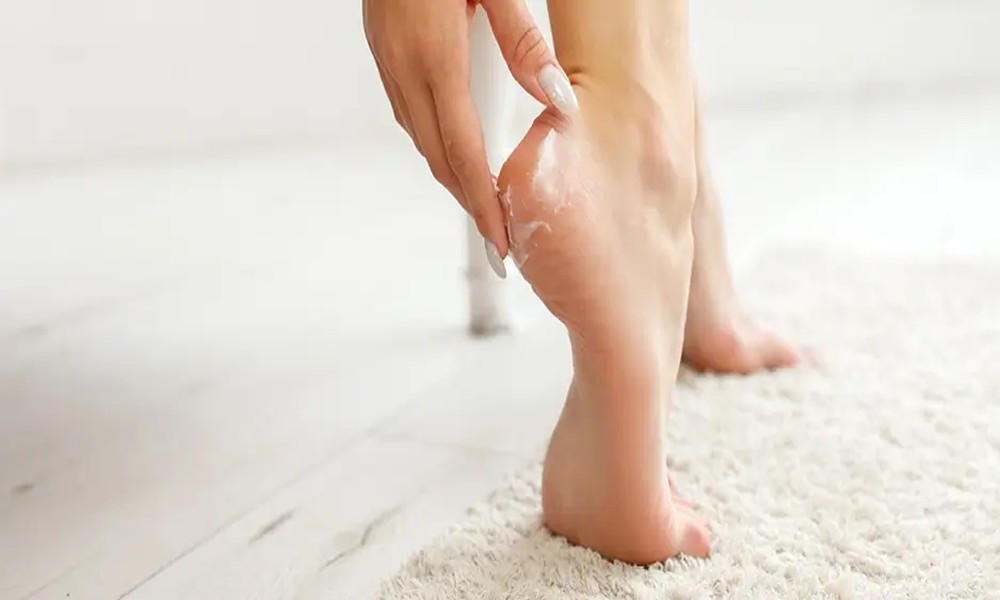
Feet that are healthy should be taken care of in order to prevent cracks and dryness, which makes them uncomfortable. Two popular options are creams and more viscous solutions that are used to repair deeper. Both alternatives seek to make the rough skin soft and enhance texture with time. The selection of the appropriate one will be determined by the state of the skin and everyday routine. Although regular moisturizers can keep the skin smooth, the ones that are stronger are used on damaged skin. When one understands how each product performs, then he or she can get better results with consistent care. Routine care, including the use of a product such as heel balm, enhances in-depth hydration to rugged skin.
Basic Difference Between the Two Options
Heel balm contains thicker ingredients that stay lengthier on the skin. Foot cream has a lighter texture that absorbs rapidly. These differences affect how each product works in dry areas. Balm focuses on repair, while cream supports daily hydration and smoothness.
Texture And Absorption Rate
Heel balm feels dense and forms a protective layer over cracked areas. Foot cream spreads easily and sinks into skin fast. This makes cream useful for daytime use, while balm works well overnight for deeper repair and longer moisture retention.
Usage Timing And Application Style
Heel balm is often applied before rest for better absorption time. Foot cream fits into daily routines without feeling heavy. Choosing the right timing improves effectiveness. Regular use of both options can improve skin condition gradually with consistent care habits.
|
Feature Type |
Heel Balm |
Foot Cream |
|---|---|---|
|
Texture |
Thick |
Light |
|
Absorption |
Slow |
Fast |
|
Moisture Duration |
Long lasting |
Moderate |
|
Usage Time |
Night use |
Day use |
Skin Type Suitability Guide
Heel balm suits very dry or cracked skin needing repair. Foot cream works well for mild dryness and regular care. Choosing based on skin condition ensures better results. Matching product strength with skin needs improves comfort and overall appearance.
Ingredient Strength And Effect
Heel balm includes stronger moisturizing agents for deep care. Foot cream contains lighter ingredients for surface hydration. These differences affect how quickly results appear. Balm targets deeper layers, while cream keeps outer layers soft and smooth with regular use.
Daily Care Routine Support
Using heel balm occasionally supports repair during intense dryness. Foot cream fits everyday use to maintain softness. Combining both options in a routine improves long-term results. This balanced approach helps prevent cracks while keeping skin smooth consistently.
Long-Term Results Comparison
Heel balm shows visible improvement in rough skin with regular use. Foot cream maintains softness but may not fix deep cracks. Over time, balm supports healing while cream keeps skin balanced. Using them together provides better overall care for feet.
Quick Use Everyday Tips
A simple routine helps maintain smooth feet daily.
• Apply balm at night for deep repair
• Use cream after bath for soft skin
• Clean feet before applying any product daily
• Wear socks to lock moisture during rest
• Avoid harsh surfaces that dry skin quickly
Simple Product Selection Guide
Choose a product based on dryness level and routine.
• Pick balm for cracked areas needing repair
• Select cream for daily light hydration needs
• Check ingredients before choosing any product type
• Use both for balanced care and results
• Maintain regular use for consistent improvement
Choosing between these options depends on skin condition and daily habits. Thick solutions help restore damaged areas, while lighter ones maintain softness through frequent use. A combined approach offers balanced care and steady improvement. Paying attention to routine use and product strength helps avoid dryness issues. Adding products like heel balm within care habits improves repair where needed. Consistent attention to foot care ensures smoother texture and better comfort over time.
